Hey mama,
Can I tell you something a little ironic?
I never wanted to garden.
Not even a little.
When people hear that we homeschool, tend a garden, help with chickens, and manage all the moving pieces of home life, they usually ask some version of, “How do you do it all?”
And the honest answer?
I don’t.
Not even close.
There are still laundry piles that seem to multiply when I’m not looking. There are homeschool lessons that go sideways. There are suppers that feel rushed, weeds that get ignored, and seasons where everything feels just a little too full.
So when this whole homesteading journey first started, gardening felt like one more thing I absolutely did not need.
I had four little ones.
A house to keep.
Meals to make.
The endless rhythm of motherhood already filling every corner of my day.
Adding garden beds and seed trays to that already stretched life felt almost laughable.
But somewhere along the way, something shifted.
What started as hesitation slowly became curiosity.
Curiosity became effort.
Effort became tiny victories.
And those tiny victories changed more than just what was growing in my backyard.
They changed me.
If you’re standing where I once stood—feeling overwhelmed, unsure, or convinced this whole gardening thing is for women who somehow have more time, more knowledge, or significantly fewer piles of laundry—I want to gently tell you:
You do not have to start perfectly.
You just have to start.

Why Gardening Felt So Overwhelming at First
If I’m being honest, my biggest struggle wasn’t learning how to garden.
It was believing I could.
I was afraid of failing before I ever planted a seed.
What if I spent money on supplies and everything died?
What if pests destroyed it?
What if I forgot to water?
What if I poured time into this only to prove I wasn’t cut out for it?
And if we’re really being honest, comparison didn’t help.
Scrolling through social media can make gardening look effortless.
Perfect raised beds.
Overflowing baskets.
Picture-perfect harvests.
Beautifully filtered photos of women gathering vegetables in linen dresses without a weed in sight.
Meanwhile, my reality looked more like:
Weeds growing where carrots should be.
Kids accidentally stepping on seedlings.
And me standing in the yard wondering if I had somehow managed to kill lettuce.
(Which, yes, is apparently possible.)
I had to learn something important:
Most people only share the harvest.
Very few show the failed seedlings, pest infestations, or the tomato plants they forgot to harden off and accidentally fried in the sun.
Gardening, like motherhood, has a messy middle.
And growth usually happens there.
The Small Wins That Changed Everything
I can still remember the first time we harvested something that actually worked.
It wasn’t a massive harvest.
It wasn’t Pinterest-worthy.
But it was ours.
And somehow, holding that small success in my hands felt bigger than it should have.
Then came the moments with the kids.
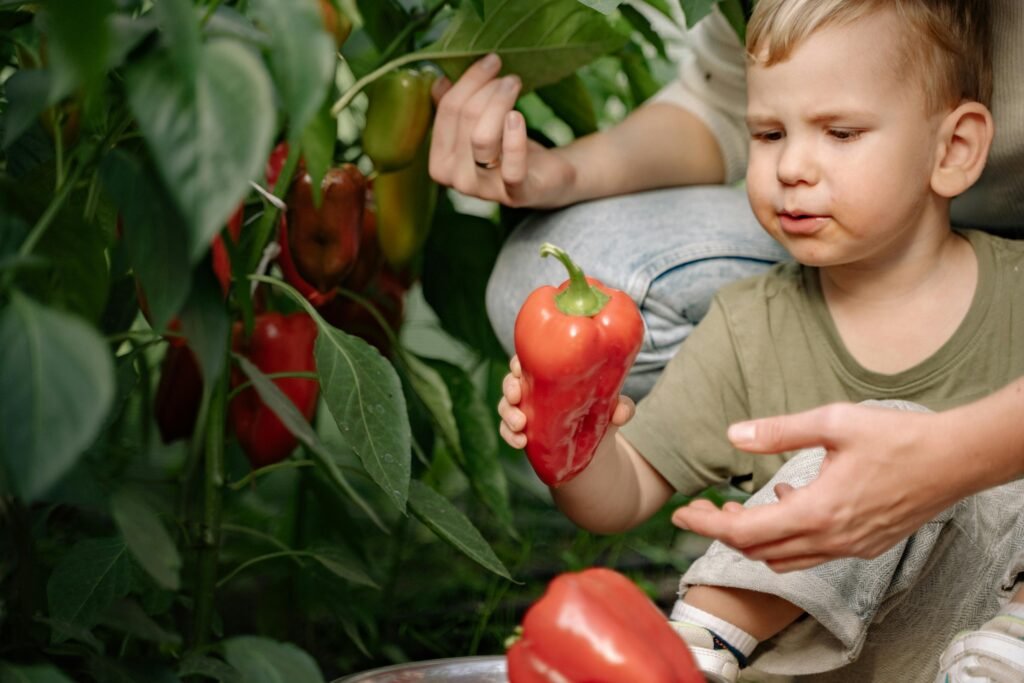
Watching them dig potatoes out of the dirt like buried treasure.
Seeing their excitement over the first ripe tomato.
Hearing the squeals when they discovered something had actually grown.
Those little moments changed my perspective.
Gardening stopped feeling like another task on my to-do list.
It became part of the rhythm of our home.
What Gardening Taught Me About Faith
This is the part I didn’t expect.
Gardening has taught me more about trusting God than I ever imagined.
You can prepare the soil.
Plant carefully.
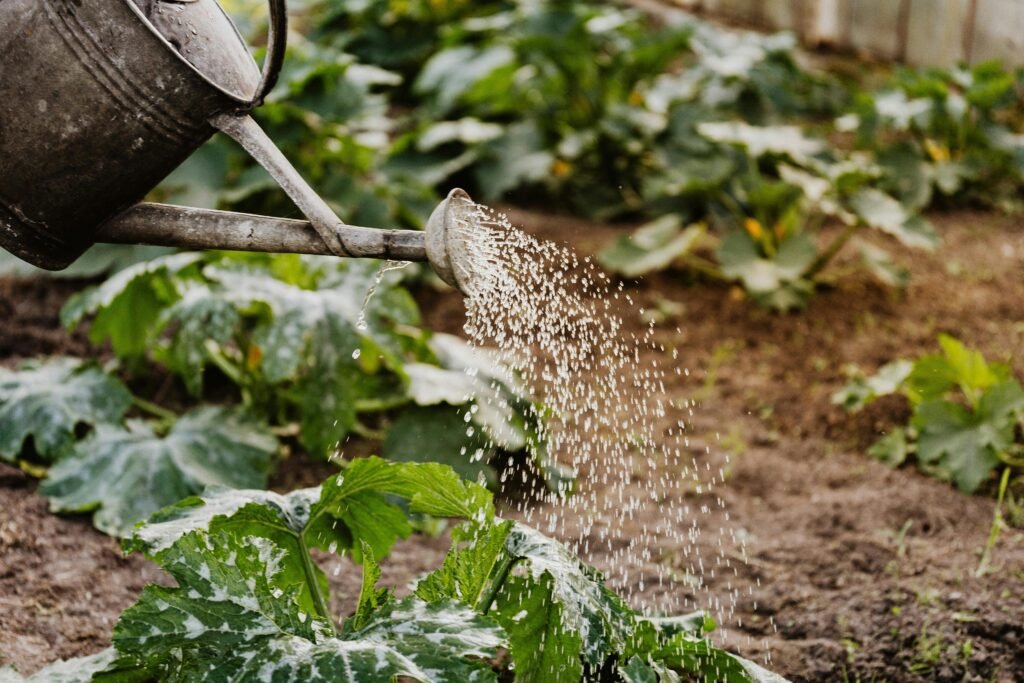
Water consistently.
Research endlessly.
And still, some things remain outside your control.
The rain may not come.
The frost may come too soon.
The pests may arrive overnight.
And in those moments, gardening becomes a quiet invitation to surrender.
It reminds me that growth has always been God’s work.
We steward.
We tend.
We show up faithfully.
But ultimately, He is the One who brings the increase.
There is something deeply humbling about planting a tiny seed and waiting.
No instant results.
No immediate proof.
Just trust.
And honestly?
Isn’t that how faith often works too?
Gardening for Beginners: Start Here
If you’re feeling drawn to start but overwhelmed by where to begin, here’s what I’d tell you:
Start Smaller Than You Think You Need To
You do not need a sprawling homestead.
You do not need ten raised beds.
You do not need to grow all your own food this year.
Start with:
- one raised bed
- a few containers
- one tomato plant
- a simple herb garden
Small beginnings are still beginnings.
Choose the Right Garden Spot
This is one lesson worth learning early.
Convenience is tempting.
But sunlight matters more.
Most vegetables need 6–8 hours of direct sunlight each day.
Before planting, spend a few days paying attention to your yard.
Notice:
- where the sun lingers longest
- areas with heavy shade
- places where water pools after rain
- spots exposed to strong wind
A good location makes gardening dramatically easier.
If your soil isn’t ideal, raised beds can be a wonderful solution.
That’s exactly why so many beginners start there.
Focus on Soil Before Plants
Healthy soil is everything.
I know it’s tempting to rush straight to the fun part—buying seeds and dreaming about harvest baskets—but good soil creates strong plants.
Add compost if you can.
Test your soil if possible.
And if your ground is compacted or poor quality, don’t panic.
That doesn’t mean you can’t garden.
It just means you adapt.
Gardening is less about perfect conditions and more about learning what works where you are.
Grow What Your Family Actually Eats
This sounds obvious, but it’s easy to get carried away.
Grow food your family will genuinely use.
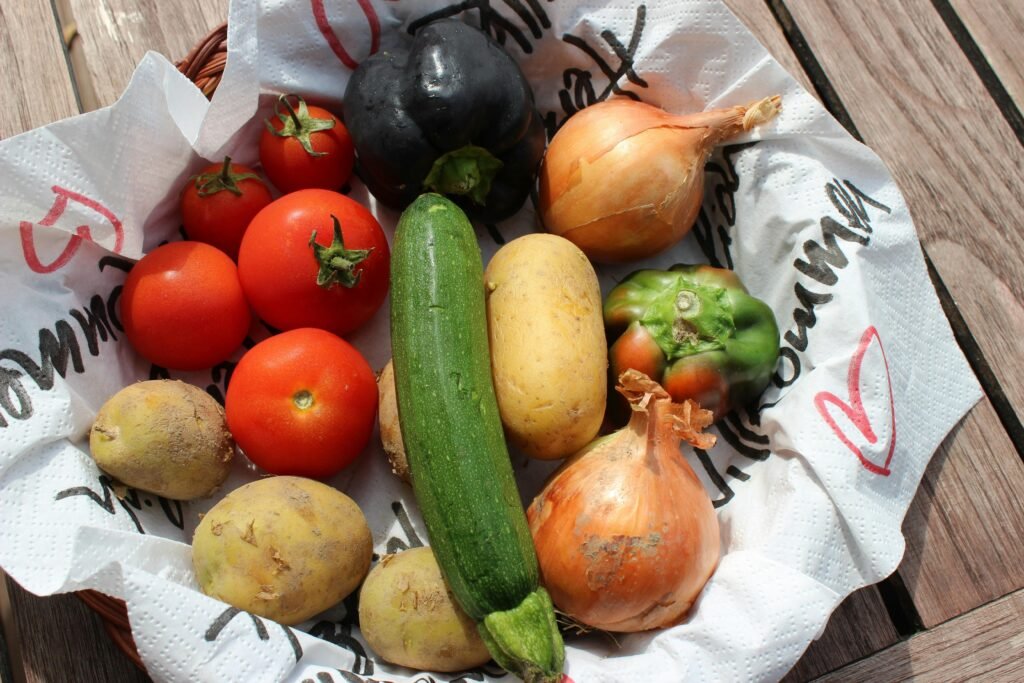
For beginners, great options include:
- lettuce
- radishes
- carrots
- peas
- spinach
- herbs like basil, oregano, and parsley
Choose 3–5 things.
Learn those well.
You can always expand later.
If you’re feeling drawn to start but overwhelmed by where to begin, I walk through everything step-by-step in my complete beginner’s guide to starting a vegetable garden. Click here to read it. If you’d like even more help, you can head over to my shop to get the Rooted Beginnings guide for beginner gardeners.
Expect a Learning Curve
You will make mistakes.
Something will probably fail.
That doesn’t mean you’re bad at gardening.
It means you’re gardening.
Every failed plant teaches something.
Every season makes you wiser.
Progress in the garden is rarely dramatic.
It’s usually quiet, gradual, and built one lesson at a time.
Kind of like motherhood.
Kind of like faith.
How Gardening Changed Our Home
Somewhere between the seed packets and the muddy boots, gardening became about more than food.
It gave our family shared work.
Shared victories.
Shared disappointment when something didn’t make it.
Shared laughter when the deer inevitably helped themselves.
It slowed us down.
It gave us something tangible to nurture together.
And in a world constantly pushing speed, convenience, and instant results, gardening taught us the beauty of slow growth.
There’s something sacred about that.
If You’re Hesitant, This Is Your Sign
If gardening feels intimidating, let me gently encourage you:
You do not need to know everything before you begin.
You don’t need a perfect yard.
You don’t need expensive tools.
You don’t need experience.
You just need willingness.
Start small.
Stay curious.
Give yourself grace.
And trust that God often grows beautiful things through imperfect beginnings.
Because sometimes the seed He’s planting isn’t just in the soil.
Sometimes it’s in you.
A Verse to Reflect On
“I planted, Apollos watered, but God gave the growth.”
— 1 Corinthians 3:6
There’s such comfort in that verse.
It reminds us that faithfulness is our part.
Growth is God’s.
Whether you’re tending a garden, raising children, building a home, or walking through a season where progress feels painfully slow—your job is simply to keep planting, keep tending, and trust Him with what comes next.
Before You Go…
Have you started your first garden yet?
Or are you still standing at the edge of the dirt, wondering if you should try?
I’d love to hear where you’re at.
And if you’re just getting started, take this as your gentle nudge:
This could be the year you grow something beautiful.
Ready to start your own garden? Read my complete beginner’s guide here.